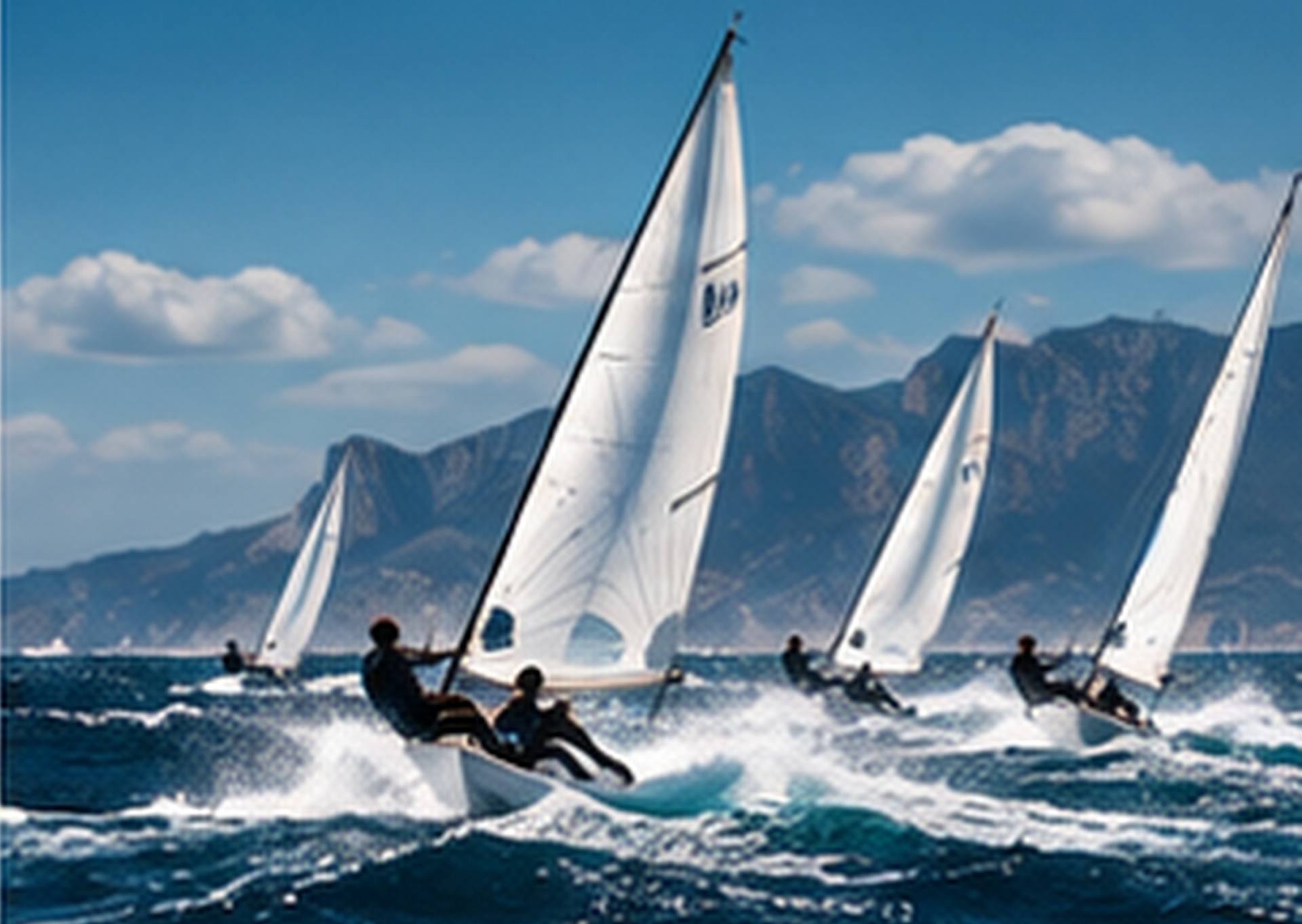
Finn
Clase monotipo · desde 1949
- Barcos
- 7
- Resultados
- 12
- Victorias
- 0
- Regatas
- 2
- Eslora
- 4.5m
- Manga
- 1.5m
- Superficie vélica
- 10.2m²
Por qué los regatistas eligen el Finn
The Finn is a heavyweight single-handed Olympic dinghy, raced at the Games from 1952 until it was dropped after Tokyo 2020, and it is known as one of the most physical and tactical boats to sail. Big sailors choose it because few dinghies suit their weight, and a very strong masters circuit keeps it alive. Without Olympic status, the class has fewer young sailors coming through.
- Very physically and tactically demanding single-hander
- Suits heavy sailors (about 90 kg and up)
- Long Olympic history, 1952 to 2021
- Large, active masters (40+) championships
- Lost Olympic status for Paris 2024, so youth pipeline weaker
Nuestra nota
Características
Clase monotipo
- Primera botadura
- 1949
- Eslora
- 4.5m
- Manga
- 1.5m
- Superficie vélica en ceñida
- 10.2m²
Single-handed dinghy; hull weight 107 kg; year is the design year
Datos publicados del diseño; los barcos concretos suelen estar modificados. Fuentes: finnclass.org
Lo que dicen regatistas y probadores · con nuestras palabras, a partir de las páginas enlazadas
The class presents the Finn as the toughest single-hander physically and mentally, and the longest-serving Olympic dinghy since its 1949 design.
International Finn Association · International Finn Association
Losing Olympic status upset him; he sees it as the next step for big Laser sailors, while masters events often draw over 350 entries.
NZ Finn Association secretary Ray Hall, via Scuttlebutt · Scuttlebutt Sailing News, 2021
Frente a sus rivales
El Finn frente a cuatro diseños parecidos, según datos publicados. Puedes cambiar cualquiera de los cuatro. Cada radio se escala al mayor de los cinco; un dato no publicado queda en el centro (— en la tabla).
| Diseño | Eslora | Manga | Calado | Peso | Superficie vélica | Potencia (SA/D) | Barcos en regata | Victorias |
|---|---|---|---|---|---|---|---|---|
| Finn | 4.5 m | 1.50 m | — | — | 10 m² | — | 7 | 0 |
| ILCA | 4.2 m | 1.37 m | 0.79 m | 0.1 t | — | — | 2 | 0 |
| Barco | N.º de vela | Patrón o armador | Años | Resultados | Victorias |
|---|---|---|---|---|---|
| Jorge PINHEIRO DE MELO | — | Jorge PINHEIRO DE MELO | 2022–2026 | 4 | — |
| Francisco PINHEIRO DE MELO | — | Francisco PINHEIRO DE MELO | 2024–2025 | 2 | — |
| Francisco PINHEIRO MELO | — | Francisco PINHEIRO MELO | 2023–2024 | 2 | — |
| Carlos AZEVEDO | — | Carlos AZEVEDO | 2026 | 1 | — |
| Fernando BELLO | — | Fernando BELLO | 2023 | 1 | — |
| FINNECA | — | Fernando BUSTORFF BELLO | 2022 | 1 | — |
| Miguel MAYA | — | Miguel MAYA | 2024 | 1 | — |
| Regata | Resultados de este diseño | Victorias | Años |
|---|---|---|---|
| Cascais Vela | 8 | — | 2022, 2023, 2024, 2026 |
| Mirpuri Foundation Sailing Trophy | 4 | — | 2023, 2024, 2025 |